
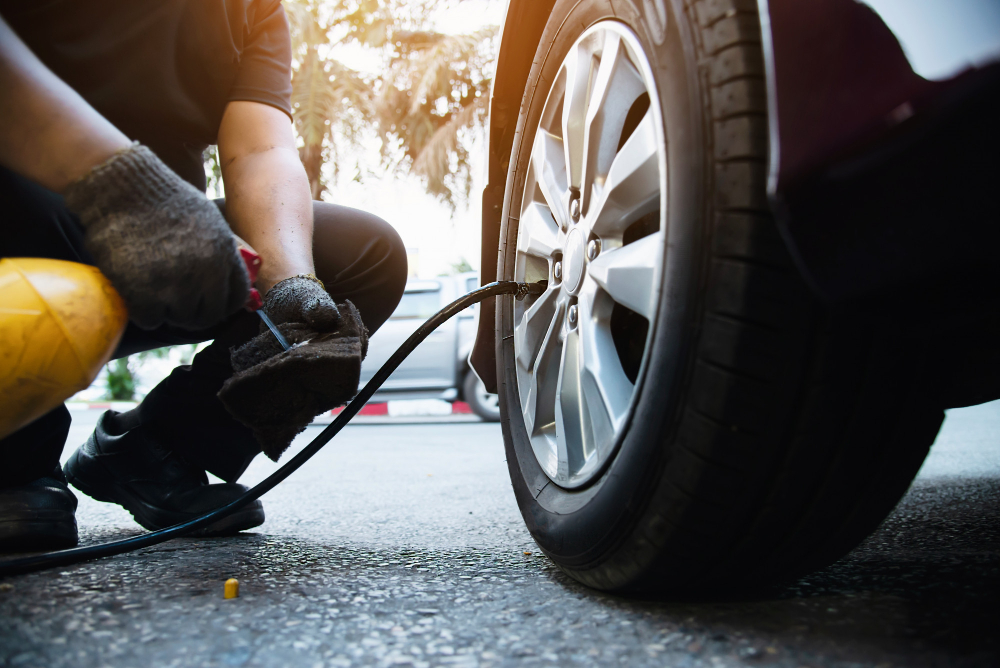
Dubai driving is not average driving. It’s 120 km/h on Sheikh Zayed Road in peak summer. It’s the daily Abu Dhabi–Dubai highway commute. It’s heavy-load logistics routes in Jebel Ali. It’s luxury SUVs cruising through Downtown and 4x4s touching desert terrain on weekends.
In these conditions, tyres are not just components; they are safety systems, efficiency tools, and performance enablers.
When drivers search for Bridgestone tires in Dubai, they’re typically asking a deeper question:
Will this tyre handle UAE heat, long distances, and high expectations without compromising comfort or fuel efficiency? Let’s break it down technically and practically.
Summer road surface temperatures in Dubai can exceed 60°C. At that level:
Lower-grade tyres struggle to manage heat dissipation. Excessive internal friction leads to structural fatigue over time.
Bridgestone’s compound technologies (such as advanced silica blends and NanoPro-Tech™ design principles) focus on reducing molecular-level friction inside the tyre. That translates to:
On long highway routes like Dubai–Abu Dhabi, this thermal stability directly impacts comfort and fuel economy consistency.
The hidden cost factor, which receives insufficient attention from most people, exists in rolling resistance.
The fuel efficiency of a vehicle depends on both its engine technology and its tyre performance, which generates rolling resistance that accounts for 20 to 30 percent of total fuel consumption.
The loss of energy from rolling resistance occurs when a tyre bends its shape during wheel rotation.
In high-temperature environments like the UAE, deformation increases, which raises fuel consumption.
Premium Bridgestone tyres are engineered to minimize that energy loss through:
For a fleet operating 40–50 vehicles daily across Dubai, even a 3% reduction in fuel consumption compounds into meaningful annual savings.
For private drivers, it means:
Fuel efficiency is not marketing language; it’s physics and friction management.
Many drivers describe comfort as “a smooth ride.” Technically, it’s more complex.
Comfort depends on:
Dubai’s asphalt surfaces can be coarse, especially on high-traffic routes. Poor tread design amplifies harmonic noise and vibration.
Bridgestone’s premium touring ranges use optimized pitch sequencing in tread design, meaning tread blocks are arranged in varying patterns to reduce sound frequency resonance.
The result:
For luxury vehicle owners, Mercedes-Benz, BMW, Range Rover, Porsche, tyre acoustics directly influence the premium experience.
Inconsistent tread wear or hardened rubber compounds quickly disrupt that refinement.
The UAE experiences multiple driving patterns that operate throughout each week.
Bridgestone develops its SUV and 4x4 tire products through its Dueler and Alenza tire lines to meet its various driving needs. The tires use sidewalls that have been strengthened to provide necessary load support.
The tires use tread patterns that create a symmetrical design to maintain traction on both dry and wet surfaces. The design uses shoulder elements that improve stability during cornering.
Logistics and construction companies require sidewall strength because it determines their operational capabilities. Sidewall damage represents a major reason fleet vehicles need to be repaired because it results in operational delays throughout the region.
The selection of appropriate tires for Dubai operations brings two main advantages, which include decreased operational interruptions and increased safety protection.
The Gulf region experiences different tire durability than what international tire manufacturers claim to be their standard.
The operating conditions in the UAE lead to shorter tire lifespan because of these factors:
The UAE requires drivers to maintain a minimum tread depth of 1.6 mm, but safety experts recommend that drivers need to replace their tires sooner, especially those who drive on high-speed highways.
Tyre inspections should be performed through these standardized procedures:
The structured tire health programs that fleet managers implement lead to reduced accident risk, lower compliance exposure, and decreased unscheduled downtime.
The best Bridgestone tires in Dubai will perform below their potential when they receive improper installation. The essential technical specifications for this project require Correct torque calibration, high-precision wheel balancing, alignment optimization, and Load index matching.
Vehicles that need to achieve their maximum performance capabilities exhibit higher detection rates for tracking problems. Drivers experience steering vibration when they exceed 100 km/h because of slight tracking errors.
The use of manufacturer torque specifications together with calibrated equipment by tyre professionals results in improved tire performance over extended periods.
Tyre failure on Sheikh Zayed Road creates both an operational difficulty and a safety threat.
Dubai requires mobile tyre services that can respond quickly because of its current need for
The complete on-site installation process, which includes full balancing and pressure calibration, provides better safety results than temporary roadside patching methods.
Fleet operators achieve their scheduled routes through faster response times. Private drivers experience a restoration of their ability to drive without facing any stressful situations.
The mid-sized transport company operates its daily logistics operations, which connect Dubai and Abu Dhabi. The company faced three initial difficulties, which included:
The installation of optimized Bridgestone low rolling resistance tires with proper alignment procedures resulted in three performance improvements.
After upgrading to optimized Bridgestone tyres with low rolling resistance and correcting alignment protocols:
The result wasn’t theoretical; it was operational stability.
The United Arab Emirates has the highest number of luxury vehicles and performance vehicles among all countries in the world.
Drivers here expect:
Tyres are essential for providing that particular driving experience. The choice of a premium Bridgestone tire shop in Dubai extends beyond brand recognition because it establishes both engineering competence and environmental suitability.
Tyre selection in your vehicle operations depends on the type of vehicle you drive, since you drive either commercial fleet vehicles or corporate mobility vehicles, construction equipment, or high-performance SUVs.
The evaluation process for Bridgestone tire options in Dubai requires experts who understand premium engineering to provide consultation services with proper installation techniques and regular inspection procedures.
A structured tyre assessment, especially before peak summer, can prevent costly failures. Because in the UAE, tyres are not a minor purchase decision.