
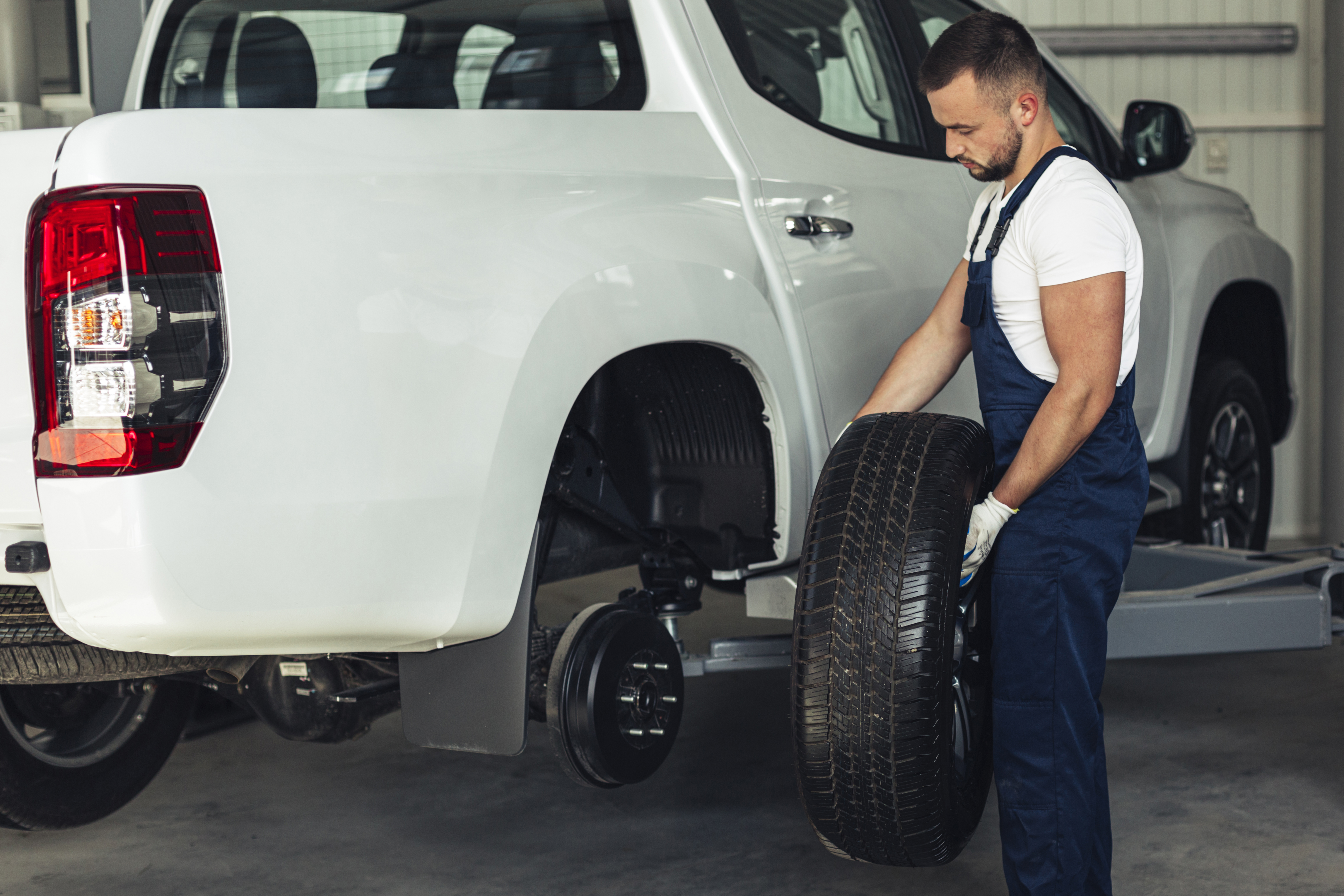
Dubai does not test a car the way other cities do. One morning you are gliding down Sheikh Zayed Road with the tarmac shimmering under a scorching sun, and by evening you are crawling through sand drift on a service road near Al Ain, tyres gripping loose grit instead of asphalt.
Few road networks in the world demand this much range from a single set of tyres, and that range is exactly why so many drivers in the region are turning to Yokohama tyres Dubai shoppers now search for by name.
Most tyre conversations focus on grip and mileage. In the UAE, the more urgent story is heat. Asphalt surface temperatures here climb dramatically during summer months, and that heat doesn't just make driving uncomfortable; it accelerates the chemical breakdown of rubber compounds. Tyres that perform beautifully in temperate climates can degrade far faster once they're subjected to sustained UAE heat cycles, especially on vehicles that sit parked in direct sun for hours before a highway run.
This is where compound engineering matters more than marketing claims, and it's a big reason Yokohama tyres Dubai drivers rely on hold up so consistently. Yokohama tyres are built with silica-enhanced compounds designed to resist heat-induced hardening, which keeps the tread flexible enough to maintain contact patch consistency even after prolonged thermal stress.
For a fleet operator running trucks between Jebel Ali and Fujairah daily, that difference isn't cosmetic; it's the gap between a tyre lasting through its full expected life or cracking prematurely along the sidewall.
Ask any long-time Dubai driver and they'll tell you the roads themselves are inconsistent. You have:
A tyre optimized purely for high-speed cruising will underperform the moment it meets loose sand or a pothole cluster near a construction site. This is why tread pattern versatility wider grooves for sand evacuation, reinforced shoulder blocks for cornering stability, and a tread compound that doesn't turn brittle in heat tends to outperform single-purpose designs across this kind of terrain diversity.
If you're managing a logistics fleet or a corporate mobility program, tyre choice isn't really about brand preference; it's about downtime economics. A blown tyre during a delivery run costs far more than the tyre itself: missed delivery windows, emergency roadside assistance, and potential cargo damage all stack up quickly.
That's the pain point that separates casual tyre buyers from serious fleet decision-makers. The right approach isn't reactive replacement; it's scheduled inspection cycles, tread-depth monitoring, and proactive rotation before wear becomes a liability.
Fleets of nearly any size can prevent the majority of unplanned breakdowns simply by tracking tyre health data rather than waiting for a visible problem.
For businesses managing mixed fleets, SUVs for site visits, heavy trucks for cargo, sedans for executive transport matching tyre specification to vehicle load and route type is where real savings happen. This is precisely why professional inspection and consultation matter more than a quick tyre swap at the nearest garage.
Owners of performance and luxury vehicles think about tyres differently. It's less about mileage and more about handling precision, braking response, and noise refinement, especially on vehicles doing regular highway stretches at sustained speed.
Heat-resistant compounds paired with reinforced sidewalls give these drivers the confidence to push their vehicles the way they were engineered to perform, without the anxiety of thermal degradation compromising grip mid-drive. It's precisely this kind of engineered confidence that keeps demand for Yokohama tyres Dubai performance owners trust growing year after year.
More UAE residents are choosing to buy tyres online rather than visiting multiple physical shops, and it's not just about convenience; it's about transparency. Digital platforms let buyers compare tread specifications, load ratings, and pricing side by side before committing, and pair that with scheduled mobile fitting so the entire process happens without disrupting a workday.
Whether you're located in Dubai or comparing tyres Abu Dhabi suppliers, the shift toward online tyre ordering reflects a broader trend: convenience-conscious buyers who still want expert-backed guidance before purchase.
The smartest move isn't guessing which tyre suits your driving pattern; it's booking a professional inspection where tread wear, alignment, and pressure are assessed together, so the recommendation is based on your actual vehicle history rather than a generic sales pitch.
Honestly, more often than most drivers assume. The sun here is relentless, so getting tread and pressure looked at on a tighter schedule than you would in a milder climate just makes sense.
Not really, once you look at the full picture. They tend to last longer and need fewer emergency swaps, so the total spend over time usually balances out or even comes out ahead.
Yes, if it's built right. Look for grooves designed to push sand out and a compound that stays stable in heat; that combination is becoming the norm for tyres made with GCC roads in mind.
It is, as long as you pair it with a proper spec check and professional mobile fitting. Done right, it's just as reliable as walking into a shop and usually a lot less hassle.
Dubai's roads have a way of finding the weak point in your tyres before you do, usually at the most inconvenient time. Nobody plans for a blowout on Sheikh Zayed Road during rush hour or a slow leak the morning of a big delivery run. That's the real takeaway here tyre care in this city isn't about being overly cautious; it's about recognizing that heat, terrain, and daily wear behave differently in this part of the world.
Whether you're running a fleet, driving a performance car, or just want peace of mind on your commute, the smartest move is the simplest one get your tyres inspected before the road makes the decision for you.