
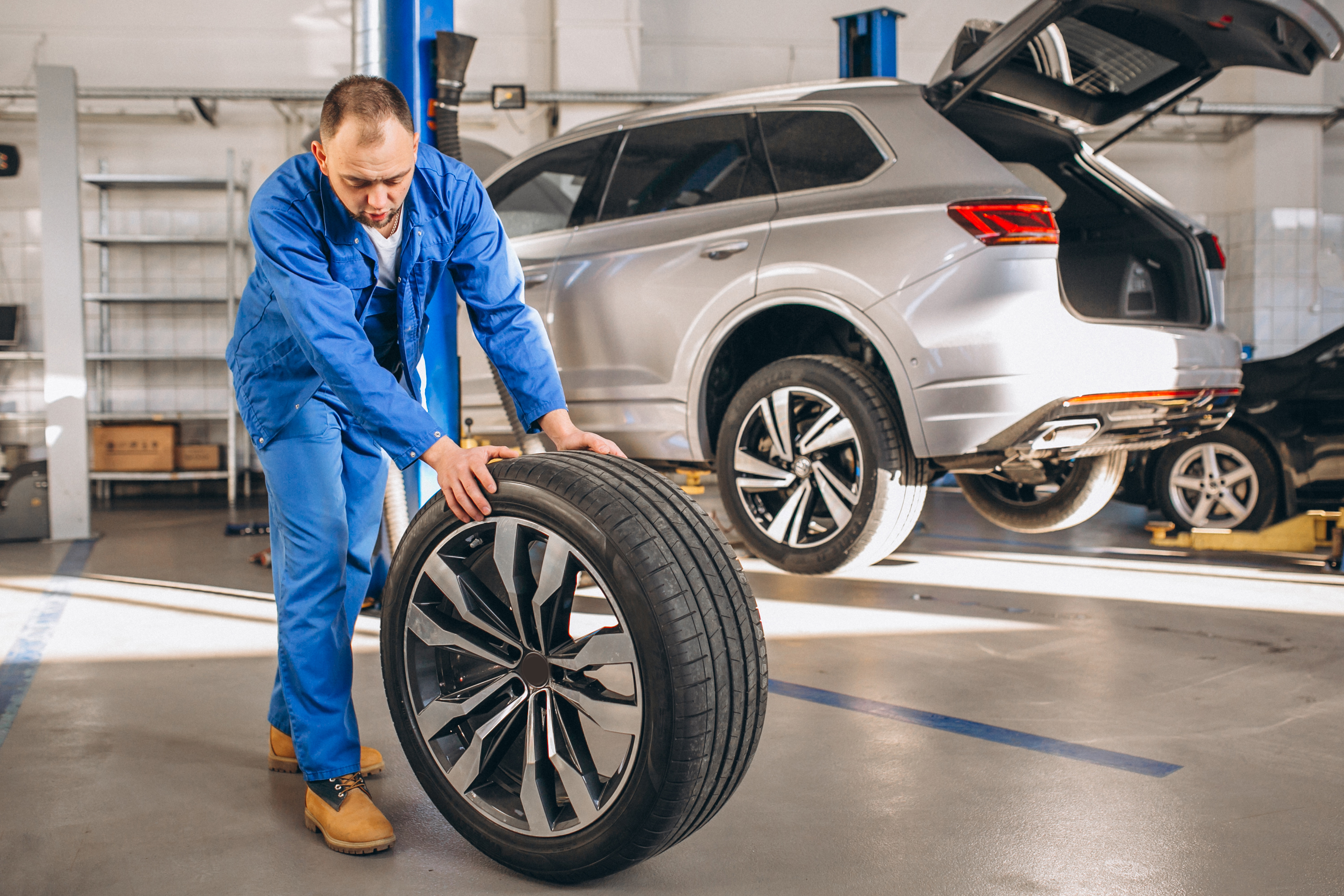
Driving ought to be simple, regardless of whether you are commuting to your workplace each day, overseeing a fleet of automobiles, or enjoying yourself in an automobile that is designed to perform. Steering ought to be effortless, the automobile ought to respond well to steering inputs and be easy to control, and you ought to feel secure when driving. In environments characterized by extreme heat, lengthy stretches of highway, and challenging road conditions, tires play a far greater role than most would expect.
In addition to being rubber components of automobiles, tires are extremely significant safety devices. Design, materials, and capabilities influence not just the automobile's driveability, but its ability to brake safely and comfortably. Yokohama tires are among the most recent tire technologies in today's marketplace. Those wishing for their car to perform optimally during adverse conditions should understand how important choosing appropriate tires may be for their driving style.
Braking Distance: Quality tires allow you to stop much faster in emergencies. Cheap tires can take an extra 5–8 meters to stop, which is the difference between safety and a collision.
Fuel Efficiency: "Low Rolling Resistance" tires reduce friction, improving your fuel economy by 3% to 5%. Over time, this saves enough money to offset the higher cost of premium tires.
Safety & Hydroplaning: Premium tread designs are engineered to pump water away from beneath the tire. This prevents hydroplaning (sliding on water) during heavy rain.
The Contact Patch: Your entire car’s safety relies on just four palm-sized patches of rubber. This is the only point of contact between you and the road, affecting all steering and acceleration.
Ride Quality & Noise: High-quality tires absorb road vibrations and are designed to minimize road noise, providing a quieter and smoother cabin experience.
Safety Technology: Modern safety features like ABS (Anti-lock Braking System) and Electronic Stability Control rely entirely on tire grip to function correctly. If the tires slip, the technology cannot save you.
There have been a lot of changes in tire technology in the last few years. Premium tires use advanced rubber compounds, structural reinforcements, and tread patterns that are optimized to make your car perform better in small but important ways.
Some important engineering principles that are often used in high-quality tires are:
Heat is one of the biggest enemies of tyre longevity. When tyres heat excessively, rubber compounds break down faster, causing premature wear and reduced grip.
Advanced compounds used in modern Yokohama tyres Dubai applications are formulated to resist heat degradation while maintaining flexibility. This allows the tyre to grip the road without becoming brittle under intense temperatures.
Tread design is responsible for water dispersion, road grip, and handling stability.
Well-designed tread patterns help:
Drivers often notice the difference immediately when switching from lower-quality tyres to premium engineered tread designs.
High-performance tyres often include reinforced sidewalls and internal belt layers that improve stability at higher speeds.
This structural reinforcement allows tyres to handle:
For fleet vehicles carrying cargo or transporting passengers, these structural advantages translate directly into improved safety.
Imagine a driver commuting across long highways daily or a logistics vehicle transporting goods between cities. Hours of continuous driving, road heat, and heavy loads create extreme conditions for tyres.
When tyres lack durability or structural stability, several issues emerge:
Fleet operators understand this reality better than anyone. A single tyre failure can lead to costly downtime, delivery delays, or safety incidents.
Choosing reliable tyres is not simply about performance; it’s about minimizing operational risks.
Ride comfort often gets associated with luxury vehicles, but in reality, tyre quality influences comfort in every vehicle category, from sedans to SUVs and commercial vehicles.
Tyre design directly affects:
Drivers who switch to premium tyres frequently notice smoother acceleration, quieter highway driving, and improved steering response.
For long-distance drivers and fleet operators, this improved comfort can significantly reduce driver fatigue.
Even the most advanced tyre cannot perform properly without correct wheel alignment.
Misaligned wheels create uneven pressure distribution across the tyre surface. Over time, this leads to irregular wear patterns and reduced tyre lifespan.
Common signs that drivers need wheel alignment Dubai services include:
Routine alignment inspections help ensure tyres maintain even contact with the road surface, preserving both safety and performance.
Even premium tyres require regular inspection and maintenance to perform at their best.
Drivers should monitor:
Regular tyre rotation can also extend tyre life by ensuring even wear across all wheels.
Professional tyre technicians often recommend periodic inspections, particularly for vehicles that travel long distances or carry heavy loads.
For fleet operators, tyres are not just components; they are operational assets.
A fleet vehicle travelling thousands of kilometers every month depends on reliable tyres to maintain delivery schedules and driver safety.
Key fleet concerns include:
Fleet managers often prioritize tyre brands that combine durability with predictable performance characteristics. High-quality tyres can significantly reduce unexpected maintenance issues and improve operational reliability.
Choosing tyres is not simply about selecting a brand. It requires understanding vehicle specifications, driving conditions, and operational needs.
Drivers frequently consult experienced tyre professionals who evaluate:
Professionally recommended tyres ensure the vehicle performs optimally across all driving conditions.
Many drivers searching for Yokohama tyres Dubai solutions or visiting a tyre shop in Sharjah prioritize experienced technicians who can guide them toward the right tyre configuration for their specific vehicle.
Every drive, whether it’s a daily commute, a highway journey, or a commercial delivery, depends on one critical factor: the tyres connecting the vehicle to the road. Well-engineered tyres provide far more than traction. They deliver comfort, safety, stability, and long-term reliability.
Drivers who invest in quality tyres often discover a noticeable difference in how their vehicle handles, brakes, and responds to the road. Smooth steering, stable cornering, and quieter driving transform everyday travel into a more controlled and comfortable experience.
Ultimately, the smartest drivers understand a simple truth: the quality of the tyre determines the quality of the drive.